0
If you’re wondering how long teeth whitening lasts, the answer depends on your method, lifestyle, and how you care for your smile afterward.
➡️ In-office LED whitening, like The Smile Bar’s professional treatment, typically keeps your teeth bright for 3 to 6 months, depending on your diet and oral habits.
➡️ At-home whitening kits or strips, by contrast, usually fade within 1 to 2 months, especially without proper care or touch-ups.
Let’s explore what affects whitening longevity and how you can keep your smile glowing for longer.
Follow-Up Questions
1. What determines how long teeth whitening lasts?
- Longevity depends on your whitening method, stain type, and daily habits. Drinks like coffee, tea, and red wine, or smoking can shorten results, while good oral care and scheduled touch-ups help preserve brightness.
- According to our dental experts, whitening results typically begin to fade naturally after 3 to 6 months depending on enamel porosity and diet.
2. Does in-office whitening last longer than at-home whitening?
- Generally, in-office LED or laser whitening lasts longer because the gel concentration and activation light reach deeper stains compared to at-home kits or strips. Professional treatments also ensure safer application and more consistent results.
3. Is LED whitening effective in a tropical climate like the Philippines?
- Yes. The Smile Bar’s Swedish-engineered LED system ensures consistent, safe results even in humid climates such as the Philippines.
4. How can I make my whitening results last longer?
- Avoid dark food and drinks for 48 hours after whitening, brush regularly with gentle whitening toothpaste, and schedule LED touch-ups every 3 to 4 months to maintain your brightness.
- If you prefer not to restrict your diet after whitening, you can avail of Nanoseal Protect, which seals and protects enamel instantly so you can eat and drink freely right after your session.
5. When should I repeat a whitening session?
- Most clients safely re-whiten every 3 to 6 months, depending on enamel condition and lifestyle. Regular sessions help maintain consistent shade without over-whitening.
What Influences Whitening Longevity
Several factors determine how long your teeth stay white:
- Whitening Method: In-office LED or laser treatments use advanced gels that target deep stains for longer-lasting results.
- Habits: Coffee, tea, red wine, and tobacco can cause faster discoloration.
- Tooth Structure: Thicker enamel holds whiteness longer.
- Aftercare: Avoiding staining foods and maintaining daily oral hygiene help results last longer.
How Long Whitening Lasts and Which Option Fits You
| Whitening Method | Typical Duration | Maintenance & Comfort | Best For |
|---|---|---|---|
| LED Whitening (The Smile Bar) | 3–6 months | Gentle hydrogen peroxide formula, pain-free, 20–60 min sessions | Everyday users who want visible, repeatable results |
| Laser / Zoom Whitening (GAOC Dental) | 6–12 months | Dentist-supervised, may cause sensitivity | Deeper stain removal, premium option |
| Dentist-Supervised Trays | 4–8 months | Slower results, requires daily wear | Consistent, disciplined users |
| At-Home LED Gadgets / Strips | 1–2 months | Weaker gels, short-term brightness | Quick, basic maintenance |
💡 Professional LED whitening offers the best balance between comfort, speed, and lasting brightness.
Premium Whitening Packages for Year-Round Brightness
| Package | Inclusions | Price (₱) | Highlights |
|---|---|---|---|
| Smile Starter | 6 Direct Whitening Sessions | ₱14,499 | Valid 12 months, flexible scheduling |
| Premium Smile Bundle | 12 Direct Whitening Sessions | ₱28,499 | No expiry, shareable with one person |
Enjoy consistent brightness throughout the year with multiple LED whitening sessions.
These packages deliver the best value for those who want visible, long-term results without the need for home kits.
Shade Rebound Curve: What Happens Over Time
After a whitening session, your smile can become up to 8 or 9 shades lighter.
- After 1 month: Slight shade rebound (1–2 shades) as enamel rehydrates.
- After 3–6 months: 50–60% of brightness is retained.
- After 12 months: Some natural fading occurs depending on diet.
Clinical studies show that enamel rehydrates within 24 to 48 hours post-treatment, causing a mild initial shade rebound. Regular touch-ups help maintain your brightness year-round.
Real Cases: Whitening Longevity in Manila
- Maria, 29 (Makati): LED whitening lasted around 6 months. She limits coffee and uses whitening toothpaste daily.
- Kevin, 34 (Quezon City): Fading began after 4 months due to daily espresso. One double session restored his brightness.
- Lara, 42 (Alabang): Maintained her shade for about 8 months with LED sessions and aftercare products.
💬 These real experiences show that consistent oral care and scheduled sessions make the biggest difference.
Maintenance Strategies: Diet, Touch-Ups & Oral Care
To keep your teeth bright for longer:
- Avoid dark drinks like coffee, tea, or red wine for 48 hours after whitening.
- Use a straw for colored beverages.
- Brush twice a day with whitening toothpaste or gel.
- Schedule LED touch-ups every 3 to 4 months.
- Rinse after meals.
- Use The Smile Bar’s aftercare gels and mouthrinses for added protection.
- Avail Nanoseal Protect for instant enamel sealing and no diet restrictions.
✨ For lasting results, choose a Smile Starter or Premium Smile Bundle, designed for year-round brightness without sensitivity.
When and How Often You Can Safely Re-Whiten
While it’s generally recommended to repeat professional LED whitening every 3 to 6 months, clients can safely return as soon as a few days after their previous session if they wish to reach their maximum brightness level.
Those who availed of Nanoseal Protect can also schedule another session as early as 2 weeks to 1 month after treatment, since enamel pores are already sealed and protected.
The Smile Bar’s gentle hydrogen-peroxide formula allows for regular sessions without irritation or enamel sensitivity, just make sure to follow the specialists’ guidance for optimal results.
Avoid overusing unregulated whitening products, which can cause uneven shade results or damage enamel over time.
Common Myths About Whitening Longevity
❌ “Whitening lasts forever.”
Natural staining gradually returns; maintenance keeps results fresh.
❌ “Stronger gels last longer.”
Higher peroxide levels don’t always mean better results. The Smile Bar’s gentle formulation delivers safe, effective, long-lasting brightness.
❌ “Whitening damages enamel.”
The Smile Bar’s pH-balanced LED gel brightens safely while protecting enamel.
The Smile Bar Difference
✨ Fast results, visible whitening in as little as 20 minutes
✨ Safe, gentle hydrogen-peroxide formula for sensitive teeth
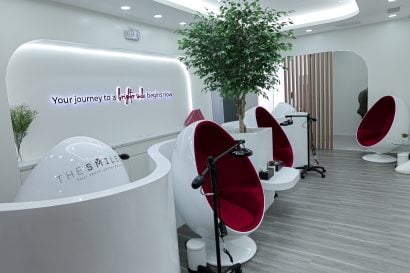
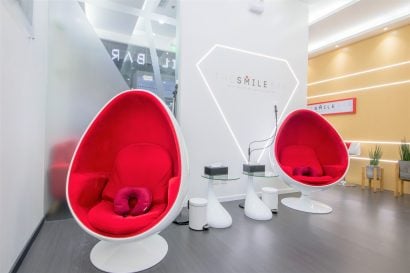
✨ Spa-like environment with professional care
✨ Trusted in BGC, Vertis North, and Molito Alabang
✨ Flexible whitening packages for lasting brightness
Conclusion TL;DR
Teeth whitening typically lasts 3 to 6 months, depending on your habits and whitening method.
For safe, lasting, and comfortable results, The Smile Bar Philippines offers LED treatments from ₱4,499, plus Premium Packages (₱14,499–₱28,499) for year-round confidence.
✨ Fast, safe, and clinically tested LED technology for long-lasting brightness without sensitivity.
Ready to experience your brightest smile?
Book your LED whitening session or Premium Whitening Package today at The Smile Bar Philippines.
👉 Book Now
Frequently Asked Questions
How long does LED whitening last?
- Typically 3 to 6 months, depending on habits and post-treatment care.
Why does whitening fade over time?
- Everyday exposure to coffee, tea, and colored foods causes gradual shade rebound, a natural process as enamel rehydrates.
Can whitening damage enamel if done repeatedly?
- No. The Smile Bar’s pH-balanced LED gel whitens safely without abrasion or discomfort.
How often should I whiten my teeth?
- Experts recommend LED sessions every 3 to 6 months to maintain brightness and even shade.
Is whitening suitable for sensitive teeth?
- Yes! The Smile Bar’s LED system is designed for sensitive teeth, providing visible, comfortable results with minimal sensitivity.